Design · 6 of 9
Tile, Countertops, & Flooring
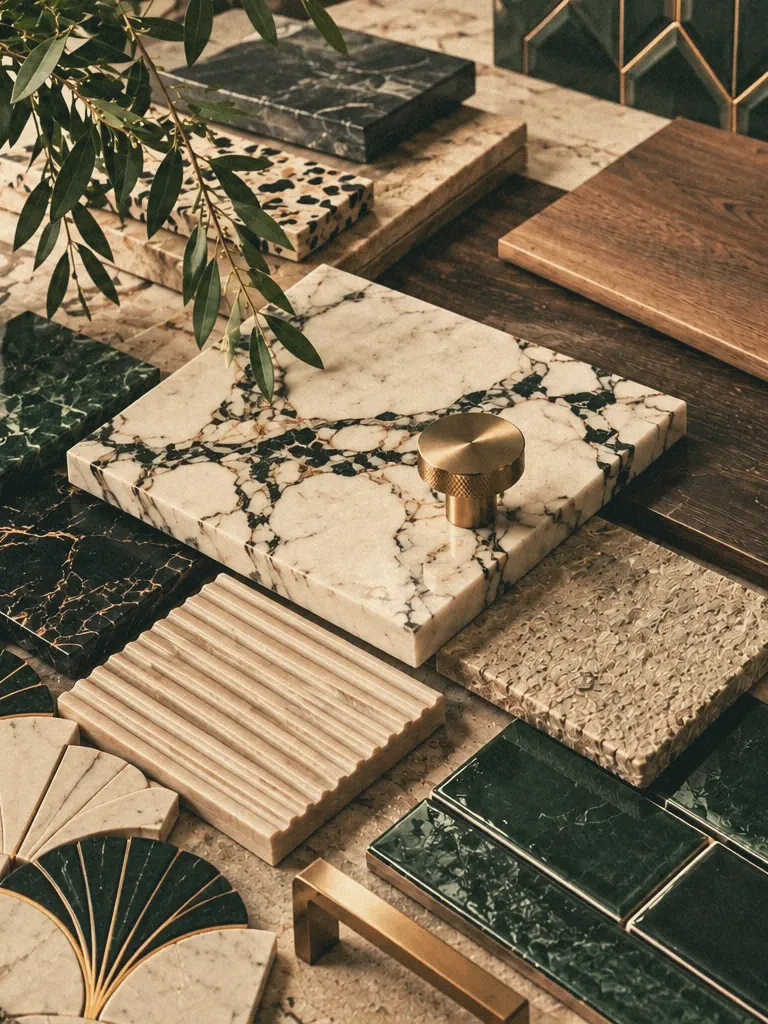
These three components of the overall design can be the canvas or the focal points, you decide.
Dramatic tiles, countertops and flooring can be the basis for the design buildout of your room.
Services provided
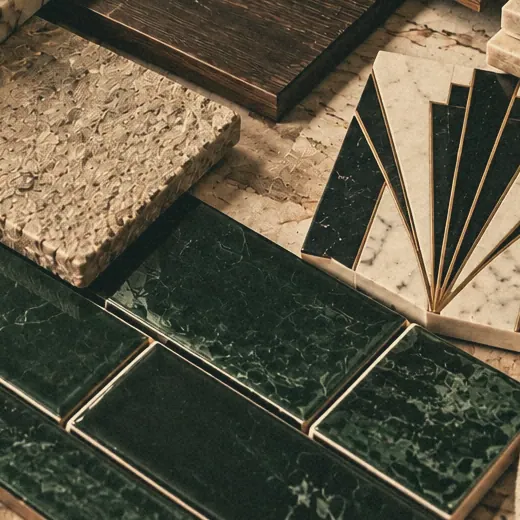
The backdrop to a lighter palette
Conversely, neutral patterns of stone or tile blended with mixes of textures or patterns can play the role of the backdrop to a lighter palette choice or create open creative space for more dramatic fabric, furniture and décor selections.
- On site or virtual consultation
- Tile, countertop, or flooring selection & samples
- Contractor referral and project scheduling
Questions I’ll ask you
The trifecta: the wall, countertop and floor finishing effect.
- The functionality of the room: is there high traffic use of floors or countertops? What will the tile choices be exposed to, to ensure the right materials are selected?
- Size and scale of the room: pattern combinations that blend together from the veining of the countertops, to the shape of wall tiles, to the direction of the flooring or flooring patterns is just as important as the colors you are choosing when it comes to the size, shape, and layout of the room.
- Tile, countertops & flooring can work as an accent focal point, add dimension, and amplify the architectural features of the home.
- Paint color, molding styles, cabinetry and wall finishes will also play a role in the process.
Together we’ll
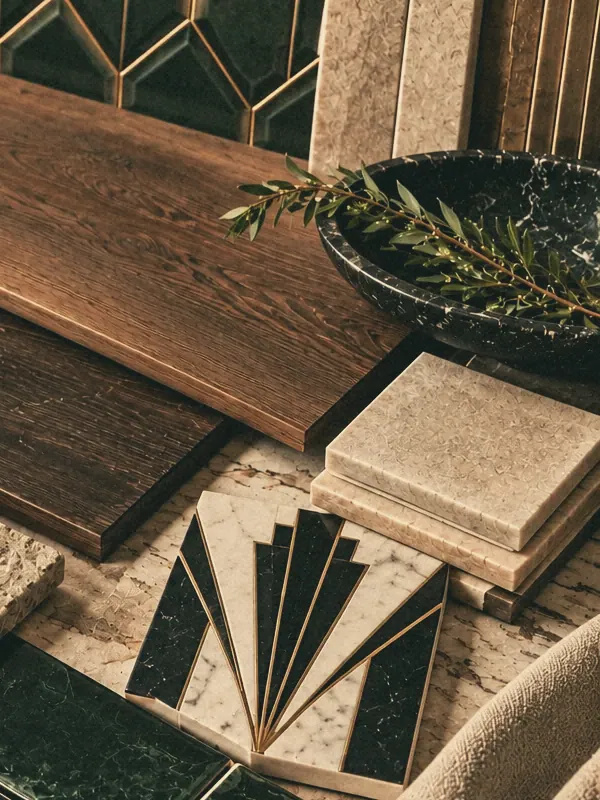
- Identify what textures feel right to you: wood, stone, glass, mirror, metal, marble
- Create dimension in the space with subtle or bold patterns or smooth, unbroken finishes
- Develop a color palette to work with as a foundation for fabric, furniture, and any hardware or finishing accent choices.
- Carry the design elements with repeating or cohesive patterns to create continuity
Next · 7 of 9
Patio & Outdoor Space
There is no outdoor space too small to become a retreat for yourself in the fresh air.