Design · 4 of 9
Fabric & Furniture
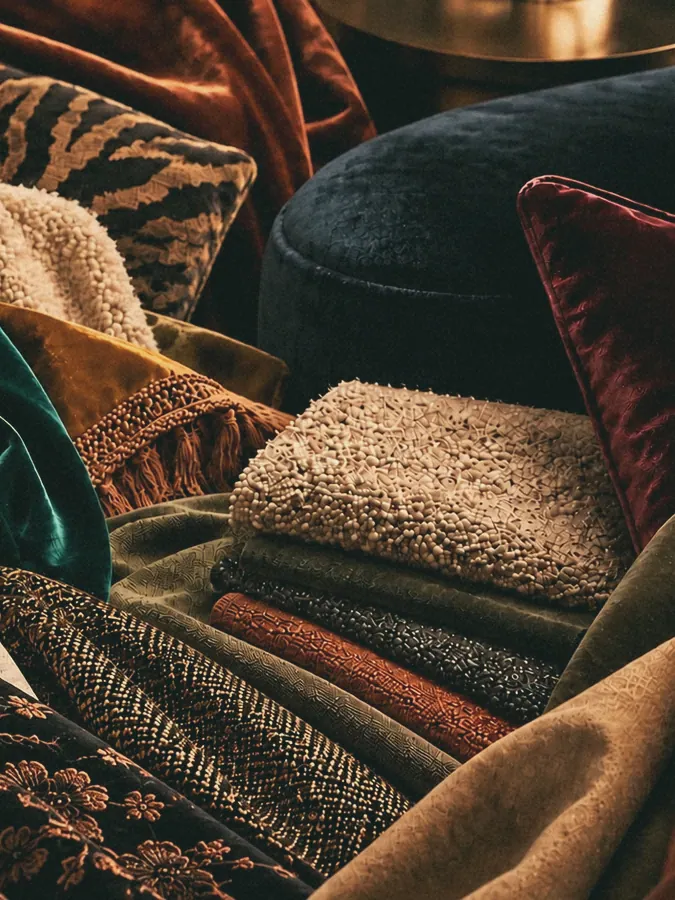
Fabric coordination throughout your space is one of the most effective ways to connect a room.
Even working within a completely neutral palette, there are many subtle ways to bring a unique, rich, multi-dimensional look without choosing bold colors or patterns.
Services provided
Connect the pieces within the room
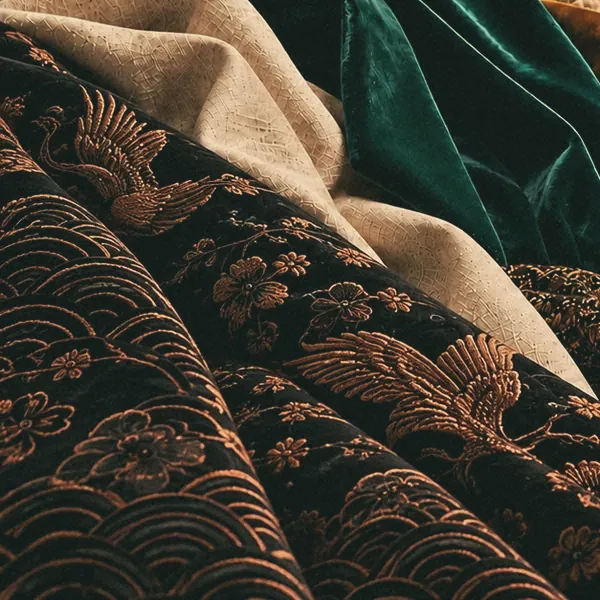
The choice of fabric for upholstery, window treatments, pillows, and rugs allows flexibility in selecting statement colors or patterns for furniture pieces as a starting point for the design. Your fabrics and materials do not have to match, and using different textures with coordinated patterns can bring depth, dimension, and direct attention to a special piece of furniture. Regardless of which room we are working on, the goal is to connect the pieces within the room while complementing the items that are personally beautiful to you.
- On site or virtual consultation
- Fabric and furniture sample selection
- Trade access order management & delivery management with vendors
Questions I’ll ask you
Bringing the room together.
- The placement & layout of specific furniture and fabric, seating groupings, adjacent spaces, and functionality of the actual room.
- Balancing color, patterns & textures with wall colors, tile, flooring, or any carpet.
- Mixing fabrics within spaces and taking risks to choose complementary patterns or bolder colors for accent furniture.
- Always maintaining an inviting space regardless of the minimalist or maximalist look you want to create.
- Functionality and traffic: what will the daily use of furniture and fabric entail? You must make sure the fabric and materials chosen can be both beautiful but durable, stain resistant, and assess your level of ‘wear and tear’. These factors may influence color choices and textures of the fabric and furniture selection.
Texture, pattern, finishes & color
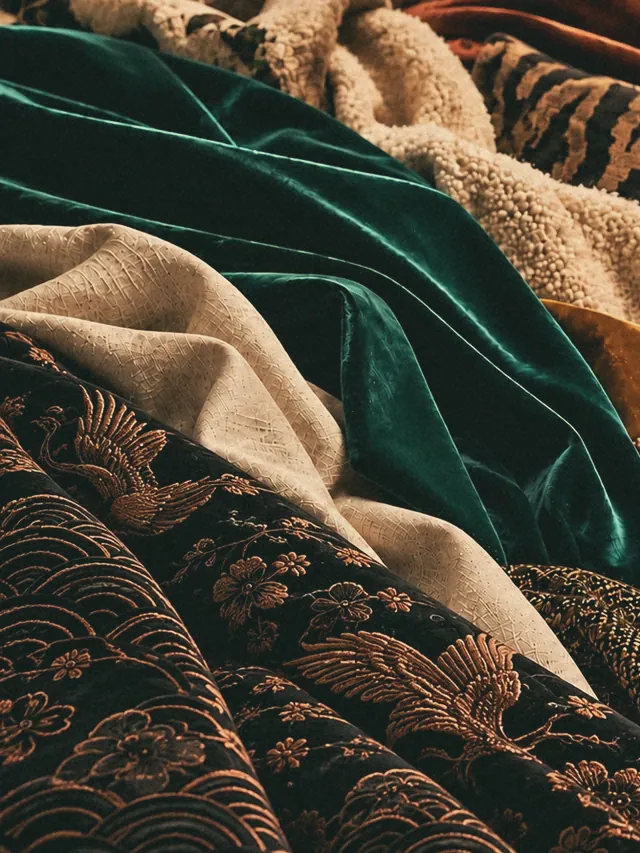
Layering materials ~ velvet, linen, bouclé, leather, cotton, silk, and woven textiles; repeating colors, patterns or elements from one type of fabric to another throughout the room or from adjacent rooms; and choosing furniture or fabric which highlights architectural details, makes a statement, ties to a favorite piece of featured artwork, and works cohesively with light fixtures.
Together we’ll
- Find your personal style to bring personality, uniqueness, and intention into the designs
- Design a furniture grouping and layout which provides inviting space and functionality.
- Choose a color palette to highlight special pieces, create continuity of themes throughout your home or business, and incorporate the items and colors you love.
- Select the right furniture for both the visual look and the purpose of the space, address storage needs, complement the architecture of the room, and choose beautiful finishes.
Next · 5 of 9
Hardware, Faucets & Sinks
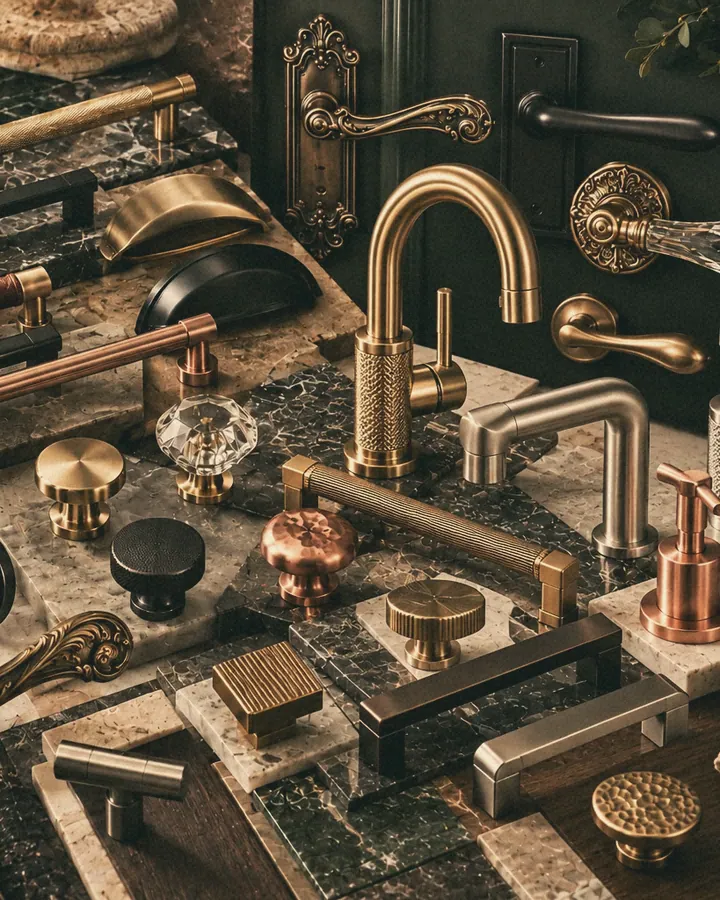
The jewelry of your cabinetry, doors, bathrooms and kitchen, and often an alternative to a full renovation.